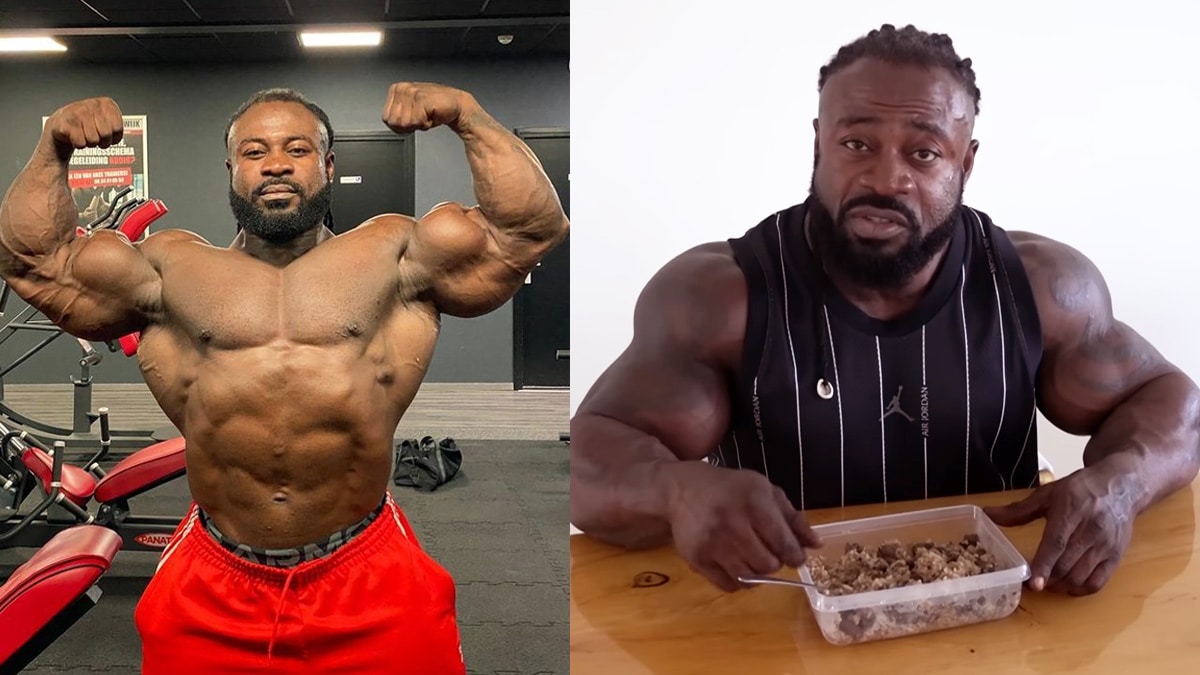
Top 10 High-Calorie Foods for Lean Bulking
When it comes to lean bulking, choosing the right foods is crucial for maximizing muscle gain while minimizing fat accumulation. Here are the top 10 high-calorie foods that can help you achieve your body composition goals:
- Nut Butters: Packed with healthy fats and protein, nut butters like almond and peanut butter are great for adding calories.
- Avocados: Rich in monounsaturated fats, avocados not only provide high calories but also essential nutrients.
- Whole Eggs: With their balanced protein and fat content, whole eggs are a staple for anyone looking to bulk.
- Salmon: This fatty fish is high in calories and omega-3 fatty acids, promoting muscle recovery and growth.
- Quinoa: As a complete protein source, quinoa is ideal for athletes and bodybuilders looking for high-calorie grains.
In addition to these foods, consider incorporating:
- Dried Fruits: Compact and calorie-dense, dried fruits like raisins and dates are perfect snacks.
- Coconut Oil: Easily added to smoothies or cooked meals, coconut oil is a highly concentrated source of calories.
- Whole Milk: A rich source of protein, fats, and carbohydrates, whole milk can help boost calorie intake effectively.
- Protein Bars: Convenient and high in calories, these bars can serve as an easy post-workout snack.
- Pasta: A great source of carbohydrates, pasta can be loaded with sauces and proteins for a hearty, calorie-packed meal.
Incorporating these high-calorie foods into your diet can help accelerate the lean bulking process and support your fitness journey.
The Science Behind Muscle Growth: How to Bulk Without the Bloat
Understanding the science behind muscle growth is essential for anyone looking to bulk effectively. At its core, muscle hypertrophy occurs when muscle fibers are subjected to stress through resistance training, leading to tiny tears in the fibers. This process triggers a healing response, during which the body repairs and thickens the muscle fibers, making them stronger. To maximize growth while avoiding unnecessary body fat gain, it's crucial to focus on a caloric surplus that prioritizes protein intake. Generally, an intake of 1.6 to 2.2 grams of protein per kilogram of body weight is recommended to support muscle repair and growth.
Another key factor in bulking without the bloat is the composition of your diet. Instead of loading up on high-calorie junk foods, aim for nutrient-dense options that provide essential vitamins and minerals alongside your macronutrients. Incorporating foods like lean meats, whole grains, fruits, and vegetables will not only fuel your workouts but also enhance recovery and overall health. Additionally, staying hydrated and monitoring your carbohydrate intake can help optimize energy levels while minimizing fat storage. By adhering to these principles, you can effectively bulk without the bloat, achieving your fitness goals more efficiently.
Meal Prep Ideas for Clean Bulking: What to Eat and When
Clean bulking is all about gaining muscle mass while minimizing fat gain, and meal prep plays a crucial role in achieving this goal. To get started, focus on incorporating high-quality protein sources such as lean meats, fish, eggs, and plant-based proteins into your meals. These proteins should be complemented by complex carbohydrates like brown rice, quinoa, sweet potatoes, and oats, which provide the necessary energy for intense workouts. Don't forget about healthy fats, such as avocados, nuts, and olive oil, which are essential for hormone production and overall health. Prepare a weekly meal plan and batch cook these ingredients to easily access nutritious meals throughout the week.
Timing your meals is just as important as what you eat when clean bulking. Aim for 5-6 smaller meals throughout the day to keep your metabolism elevated and supply your muscles with a steady stream of nutrients. Consider this simple meal schedule:
- Breakfast: Oatmeal with protein powder and fresh berries.
- Mid-Morning Snack: Greek yogurt with honey and a handful of almonds.
- Lunch: Grilled chicken breast, quinoa, and steamed broccoli.
- Afternoon Snack: Protein shake and a banana.
- Dinner: Salmon, sweet potato, and mixed vegetables.
- Evening Snack: Cottage cheese with pineapple.