Top 5 Strategies to Work Smarter, Not Harder
In today's fast-paced world, working smarter rather than harder is essential for maximizing productivity and achieving your goals efficiently. Here are the top 5 strategies to help you streamline your efforts:
- Prioritize Tasks: Use the Eisenhower Box to categorize tasks into four quadrants based on urgency and importance. Focus on what truly drives results rather than getting caught up in trivial tasks.
- Leverage Technology: Utilize tools and apps that automate repetitive tasks or improve collaboration. For instance, project management software can help keep teams aligned and save hours of communication.
Continuing with our list, effective time management is vital. Here are the remaining strategies:
- Set Clear Goals: Define specific, measurable, achievable, relevant, and time-bound (SMART) goals to provide direction and purpose. This clarity helps you stay focused and motivated.
- Embrace Delegation: Don’t hesitate to delegate tasks to others who have the skills to handle them. This frees up your time to concentrate on higher-priority activities that require your unique expertise.
- Adopt a Growth Mindset: Stay open to learning and adapting new methods. Embracing challenges and viewing failures as opportunities for growth can significantly enhance your efficiency over time.
Collaborative Tools for Efficient Teamwork
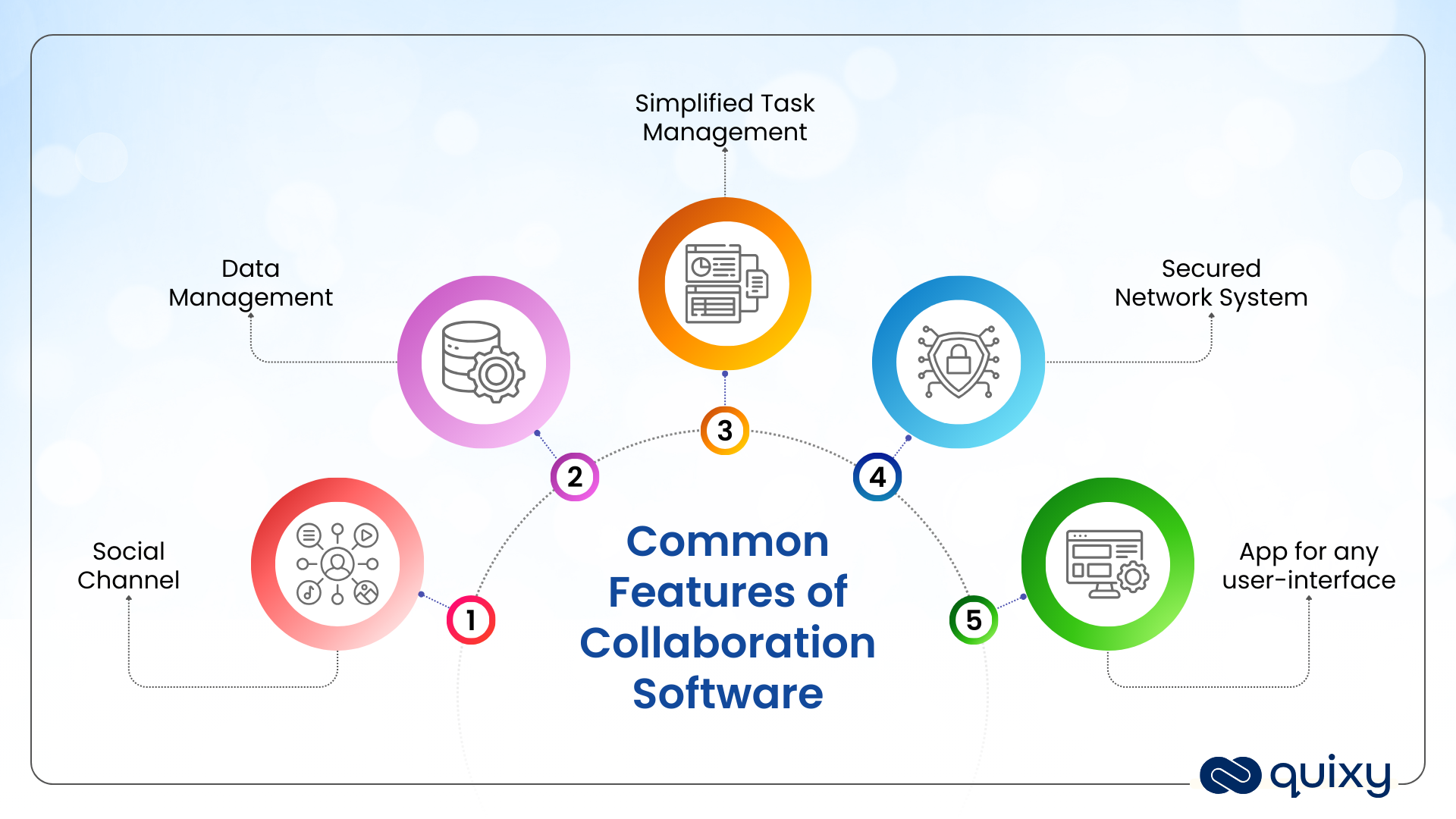
In today's fast-paced work environment, collaborative tools have become essential for fostering efficient teamwork. These platforms enable team members to communicate seamlessly, share files, and collaborate on projects in real-time, regardless of their physical location. Popular tools such as Slack, Trello, and Microsoft Teams facilitate not only messaging but also project management, which enhances productivity. By streamlining communication and offering features like task assignments and deadline reminders, these tools help teams stay organized and focused on their goals.
Moreover, the integration of collaborative tools into daily workflows can significantly reduce the time spent on mundane tasks, allowing employees to focus on more impactful work. For instance, using tools like Google Workspace enables teams to edit documents simultaneously, eliminating the need for multiple email exchanges and revisions. Additionally, features such as video conferencing and screen sharing provided by platforms like Zoom further enhance the collaborative experience. By leveraging these collaborative tools, organizations can boost engagement, foster creativity, and ultimately drive better results.
How to Foster a Culture of Smart Work in Your Organization
In today's fast-paced business environment, fostering a culture of smart work is essential for organizational success. Unlike traditional hard work, which often emphasizes long hours and exhaustive effort, smart work focuses on efficiency and effectiveness. To cultivate this culture, organizations should first encourage open communication. This can be achieved through regular team meetings and feedback sessions, where employees are invited to share ideas on streamlining processes and improving productivity. By valuing input from all levels, companies can identify best practices and innovative strategies that reinforce a smart work mentality.
Another important aspect of nurturing a smart work culture is leveraging technology. Implementing tools that promote collaboration and automation can significantly reduce the time spent on repetitive tasks, allowing employees to concentrate on high-impact projects. Organizations should invest in training programs that enhance digital literacy, enabling staff to effectively use these tools. Additionally, leaders must lead by example, demonstrating how to balance productivity with well-being. By recognizing and rewarding smart work behaviors, companies can foster an environment where innovative thinking and efficient execution thrive.